فصلنامه علمی رسانه‌های دیداری و شنیداری

فصلنامه علمی رسانه‌های دیداری و شنیداری

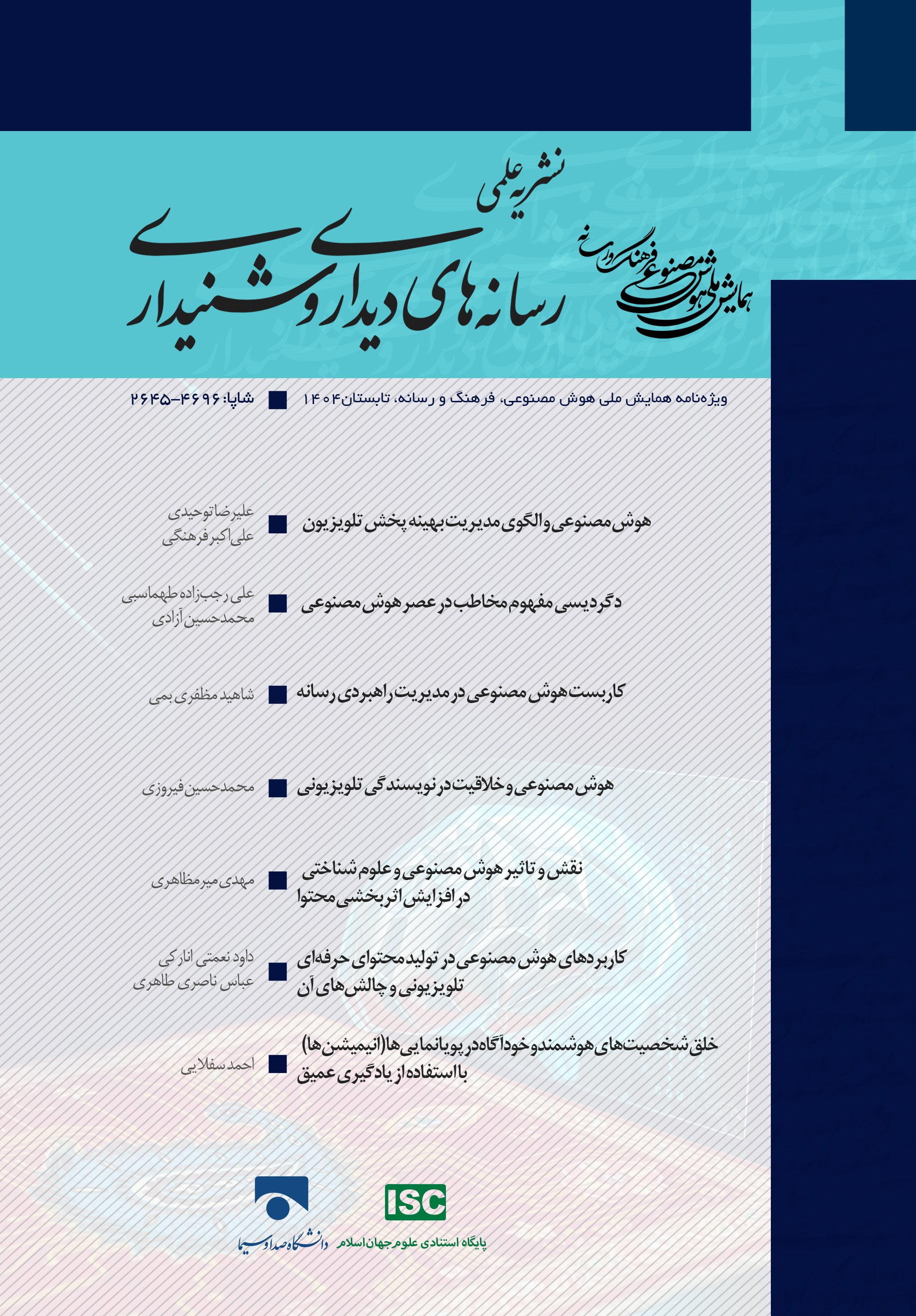
دگردیسی مفهوم مخاطب در عصر هوش مصنوعی

نوع مقاله : مقاله پژوهشی

نویسندگان
1 مطالعات رسانه - رادیو و تلویزیون، دانشکده تولید رادیو و تلویزیون، دانشگاه صداوسیما، تهران، ایران
2 گروه تلویزیون، دانشکده رادیو و تلویزیون، دانشگاه صداوسیما، تهران، ایران
چکیده
تحولات فناوری‌های هوشمند، به‌ویژه هوش مصنوعی مولد، مفاهیم بنیادی در حوزه رسانه را دستخوش تغییر کرده است؛ از جمله مفهوم مخاطب. این پژوهش با هدف بررسی دگردیسی مفهوم مخاطب در عصر هوش مصنوعی و تحلیل کارکردها، چالش‌ها و ابعاد تعامل مخاطب با رسانه‌های هوشمند انجام شده است. روش پژوهش، کیفی و اکتشافی است که از طریق تحلیل محتوای کیفی منابع علمی و پژوهشی مرتبط، به استخراج مضامین اصلی اقدام شده است. یافته‌ها نشان می‌دهد که مفهوم مخاطب در گذار از رسانه‌های سنتی به عصر هوش مصنوعی، از «مخاطب منفعل» به «مخاطب فعال» و نهایتاً به «مخاطب هم‌آفرین» تحول یافته است. این مخاطب، نه‌تنها مصرف‌کننده محتوا نیست، بلکه به‌واسطه‌ی تعامل با الگوریتم‌ها، تولید داده، پرامپت‌نویسی و اصلاح محتوا، به یکی از بازیگران اصلی فرایند رسانه‌ای بدل شده است. همچنین، کارکردهای متنوع هوش مصنوعی همچون شخصی‌سازی محتوا، هدایت‌گری، تولید خودکار، و تحلیل کلان‌داده‌ها، تجربه‌ای تعاملی، جذاب و اختصاصی برای مخاطب فراهم کرده است. با این حال، چالش‌هایی مانند شکل‌گیری حباب‌های فیلتر، کاهش استقلال فکری، تهدید حریم خصوصی و نابرابری اطلاعاتی نیز مورد تأکید قرار گرفته‌اند. نتایج پژوهش بر لزوم بازتعریف نظری مفهوم مخاطب، ارتقاء سواد دیجیتال و طراحی سیاست‌های رسانه‌ای اخلاق‌محور در مواجهه با رسانه‌های هوش‌محور تأکید دارد.
کلیدواژه‌ها

عنوان مقاله English

The Transformation of the Concept of the Audience in the Age of Artificial Intelligence

نویسندگان English

Mohammad Hossein Azadi 1
Ali Rajabzadeh 2
1 Media Studies - Radio and Television, Radio and Television Department, University of IRIB, Tehran, Iran
2 Department of Television, Faculty of Radio and Television, IRIB University, Tehran, Iran (Corresponding Author)
چکیده English

The rapid advancement of intelligent technologies—particularly generative artificial intelligence—has fundamentally transformed key media concepts, including the notion of the audience.

This study aims to examine the metamorphosis of the audience concept in the age of artificial intelligence, analyzing its functions, challenges, and dimensions of interaction with smart media.

Using a qualitative and exploratory approach, the research employed qualitative content analysis of academic and research-based sources to extract core themes.

Findings indicate that the concept of the audience has evolved from a "passive recipient" in traditional media to an "active participant" in the digital age and ultimately to a "co-creator" in the AI era. This new audience not only consumes content but also actively engages in its creation, modification, and personalization through data interaction, prompt writing, and feedback mechanisms. Generative AI’s key functions—such as content personalization, guidance, automated production and big data analytics—have created a more interactive, tailored, and immersive media experience. However, the study also highlights critical challenges, including filter bubbles, diminished cognitive autonomy, threats to privacy, and information inequality.

The research concludes that rethinking the theoretical foundations of the audience concept, enhancing digital literacy, and implementing ethical media policies are imperative in navigating the complexities of AI-driven media environments.

کلیدواژه‌ها English

Generative Artificial Intelligence
Audience
Interactive Media
Personalization Algorithms
Co-creation User